At a glance
- Where
- Five cantons in the north of the peninsula: Nicoya, Hojancha, Santa Cruz, Carrillo and Nandayure (Guanacaste). Nosara and Sámara are inside it; Santa Teresa isn't
- From Santa Teresa
- Nicoya town is 3–3½ hours on the paved road via Paquera and Jicaral. Not a day trip
- From Sámara and Nosara
- Nicoya is 35 km from Sámara on a paved road, and about 1¼ hours from Nosara. An easy half day
- From Liberia airport (LIR)
- Nicoya about 1¼ hours; Guaitil about 1 hour
- What to see
- Nicoya's colonial church and park, the Barra Honda caves, Guaitil's pottery workshops, the Monte Alto forest above Hojancha
- Best for
- Curious couples; families with kids 12 and up for the cave descent (younger children get a short kids' cave)
- Facilities
- Nicoya is the peninsula's hub: banks, supermarkets and the regional hospital
What is the Nicoya Blue Zone?
It's the popular name for five cantons in the north of the peninsula, where researchers found that older men lived exceptionally long lives. A 2013 study found that men aged 60 and over in Nicoya, Hojancha, Santa Cruz, Carrillo and Nandayure had about 20% lower mortality than other Costa Ricans between 1990 and 2011, mostly from fewer heart and circulation deaths; women showed no advantage. A 2023 follow-up by the same lead researcher found the edge is fading: men born in 1905 had 33% lower adult mortality than other Costa Ricans, while those born in 1945 had 10% higher.
So come for the place, not a secret to long life. What you'll find is rural Guanacaste: small towns built around a church and a park, forested hills, caves and craft villages. Santa Teresa isn't in the study area; Nosara, Sámara and the Coyote coast are.
What is there to see?
| Place | What it is | Time needed | With kids |
|---|---|---|---|
| Nicoya town | The peninsula's hub, with the colonial church of San Blas and a shady central park | 1–2 hours | Easy; the park has a playground |
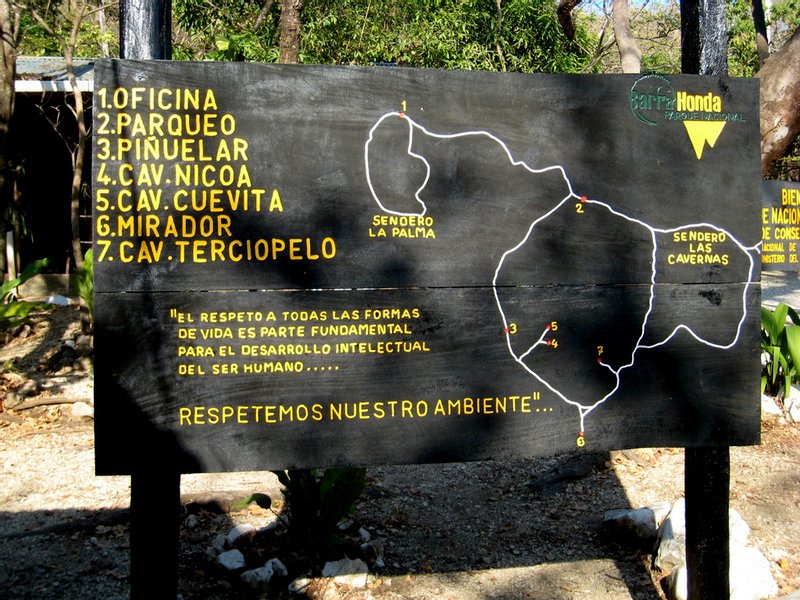
| Barra Honda National Park | Limestone caves 22 km northeast of Nicoya; a guided descent into Terciopelo cave | 3–4 hours, mornings only | Ages 12 and up for Terciopelo; a smaller kids' cave for younger ones |
| Guaitil | A village of potters working in the Chorotega tradition, 22 km from Nicoya | 1–2 hours | Good: kids can watch the potters |
| Hojancha and Monte Alto | A hill town and a forest reserve with an orchid trail and a lookout | Half a day | Good for walkers; the orchid trail is short and easy |
Nicoya town and the church of San Blas
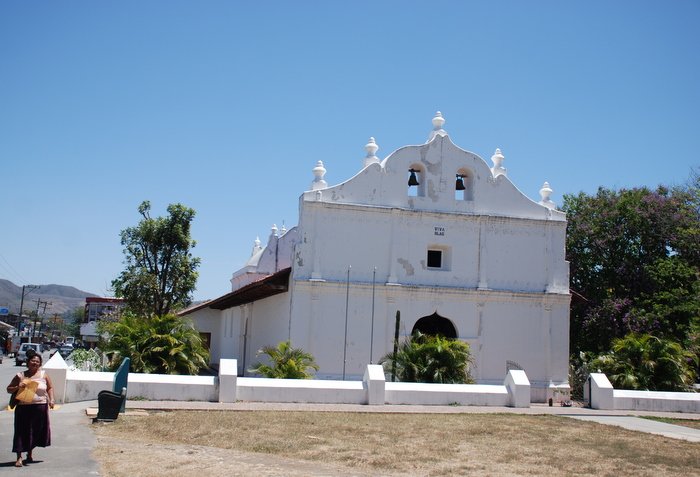
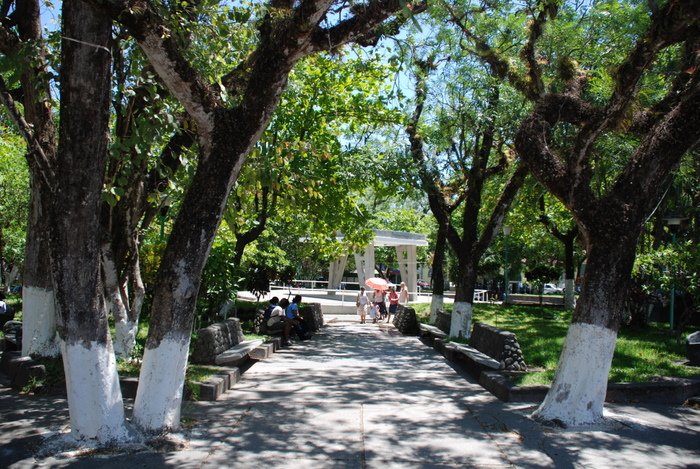
Nicoya is one of Costa Rica's oldest towns and the working capital of the peninsula: this is where people from the beach villages come to shop, bank and see a doctor. Its landmark is the Iglesia de San Blas, a low, whitewashed colonial church. The building you see dates from 1827 and was declared a national relic in 1923; inside is a small collection of old religious pieces. Across the road, the central park's big shade trees are the place to sit with a cold drink and watch the town go by.
Barra Honda's caves
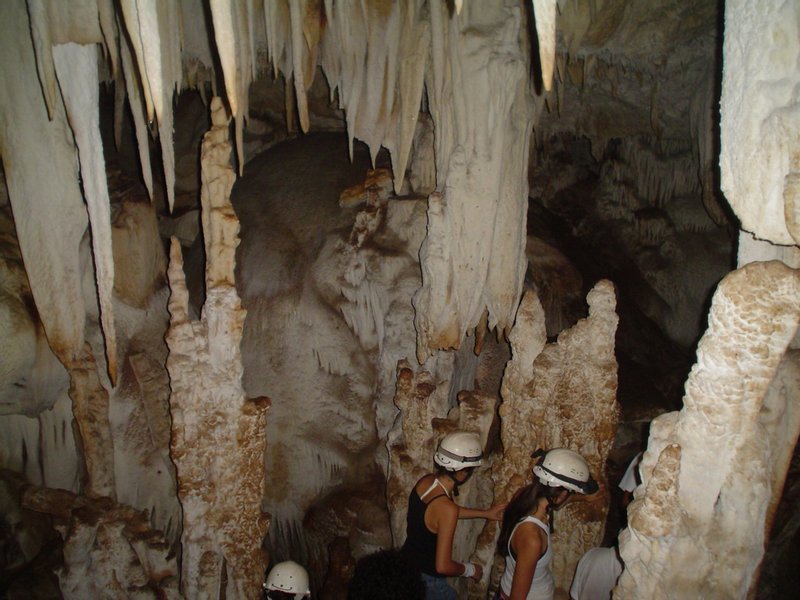
Barra Honda protects a system of limestone caves under a forested hill. Only Terciopelo cave is open to visitors: you go down by harness and a ladder of about 17 meters with a certified local guide, and the whole visit takes 3 to 4 hours. Caves and trails open at 8 a.m. and take the last visitors at 1 p.m.; the park asks you to book ahead by WhatsApp, and it can close after heavy rain, so check with SINAC before you go. Wear shoes with grip.
Guaitil's potters
On the old road between Nicoya and Santa Cruz, the families of Guaitil make pottery the way the Chorotega did before the Spanish arrived: local clay, hand tools, and designs in red, cream and black. Craft shops and stands sell straight from the village, and nearby San Vicente has a small eco-museum of Chorotega art. It's the most hands-on stop for kids.
Hojancha and the Monte Alto reserve
South of Nicoya in the hills, Hojancha is a quiet farming town. Just past it, the Monte Alto reserve protects about 900 hectares of forest, with a short, easy orchid trail (more than 80 native species of orchids and bromeliads), a waterfall trail and a lookout. The last 2 km of road are steep and may need a 4x4. It's about an hour from Sámara.
How do you fit it into a trip?
- Staying in Sámara or Nosara: make it a half day. Go to Barra Honda first thing (it's mornings only), then lunch and the church in Nicoya. Or pair Nicoya with Guaitil for an easier afternoon. See Sámara and Carrillo and Nosara.
- Moving between Santa Teresa and the north: the paved road from Santa Teresa to Sámara, Nosara, Tamarindo or Liberia airport runs through Nicoya, so the church and park make a natural lunch stop on a travel day. See Santa Teresa to Sámara.
- Arriving at Liberia airport: Guaitil is about an hour from the airport, so it can break up the drive south to Sámara or Nosara if you land in the morning.
- Staying in Santa Teresa: skip it as a day trip. At 3 hours or more each way, you'd spend more time in the car than in the Blue Zone.
Insider tip: Barra Honda takes its last visitors into the caves at 1 p.m., and the descent lasts the whole morning. Don't try to squeeze it into a travel day from Santa Teresa; sleep in Sámara or Nosara the night before and be at the park when it opens.
When is the best time to go?
Any time of year works for the towns. The dry season (December to April) is hot and dusty inland but best for Barra Honda's trails, which can close after heavy rain; September and October are the wettest months. See the best time to visit for the peninsula as a whole, and our Nicoya Peninsula map for drive times.
Frequently asked questions
What is the Nicoya Blue Zone?
It's the name given to five cantons on the northern Nicoya Peninsula (Nicoya, Hojancha, Santa Cruz, Carrillo and Nandayure), where studies found that older men lived unusually long lives. For a visitor it means rural Guanacaste: farm towns, a colonial church, caves and a pottery village, inland from Sámara and Nosara.
What is there to do in Nicoya town?
Visit the Iglesia de San Blas, a whitewashed colonial church whose current building dates from 1827, then sit under the big trees of the central park across the road. Nicoya is also the peninsula's service town, with banks, supermarkets and the regional hospital. An hour or two is enough; add Barra Honda or Guaitil to make it a half day.
Is Santa Teresa in the Blue Zone?
No. Santa Teresa and Malpaís are in Puntarenas province, at the southern tip of the peninsula, outside the five cantons of the Blue Zone. Nosara, Sámara and the Coyote coast are inside it. From Santa Teresa, Nicoya town is 3 to 3½ hours by road.
Can you visit the Blue Zone as a day trip?
From Sámara or Nosara, easily: Nicoya is 35 km from Sámara and about 1¼ hours from Nosara, so the church, a cave tour at Barra Honda or the potters of Guaitil fit in half a day. From Santa Teresa, no: it's 3 hours or more each way. Stop on the way instead, when you travel between Santa Teresa and Sámara, Nosara or Liberia airport.
Can kids go into the Barra Honda caves?
The main descent, into Terciopelo cave by harness and ladder, is for ages 12 and up, according to SINAC, the park service. Younger children can do a short tour of La Cuevita, a smaller cave. A certified guide is compulsory, and the caves close to new visitors at 1 p.m.
What is Guaitil known for?
Pottery. Families in Guaitil make ceramics in the pre-Columbian Chorotega style, with local clays and the tools and techniques of their ancestors, finished in reds, creams and blacks. You can buy straight from the village's craft shops and stands. It's about 22 km from Nicoya, or about an hour from Liberia airport.
Are there Blue Zone tours?
Some hotels in the region run their own; Hotel Punta Islita, for example, offers a Blue Zone experience to guests. Otherwise, the easiest way is to plan the stops yourself or with a driver: Nicoya's church and park, a morning at Barra Honda, lunch in town and the potters of Guaitil in the afternoon.
Where should you stay to visit the Blue Zone?
On the coast, and visit inland. Sámara, 35 km from Nicoya on a paved road, is the easiest base, especially with kids. Nosara, about 1¼ hours away, suits couples who want yoga and quiet. Hotel Punta Islita offers its own Blue Zone experience. See Sámara and Carrillo and Nosara.